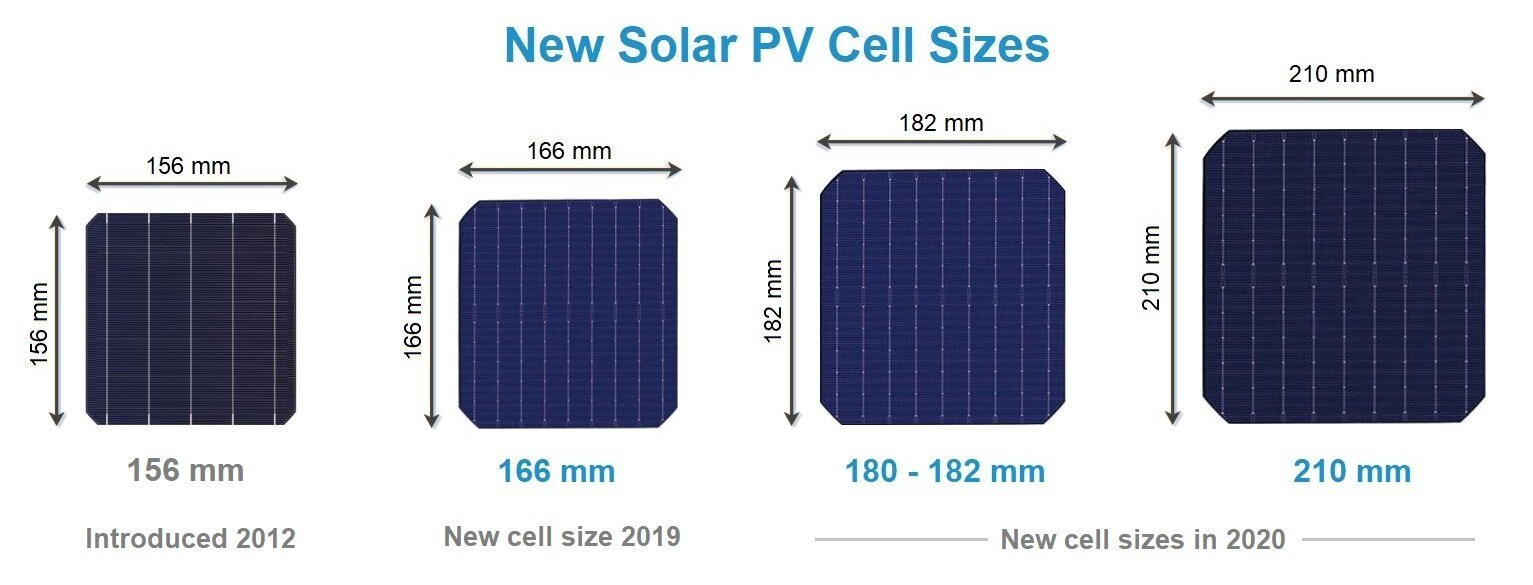
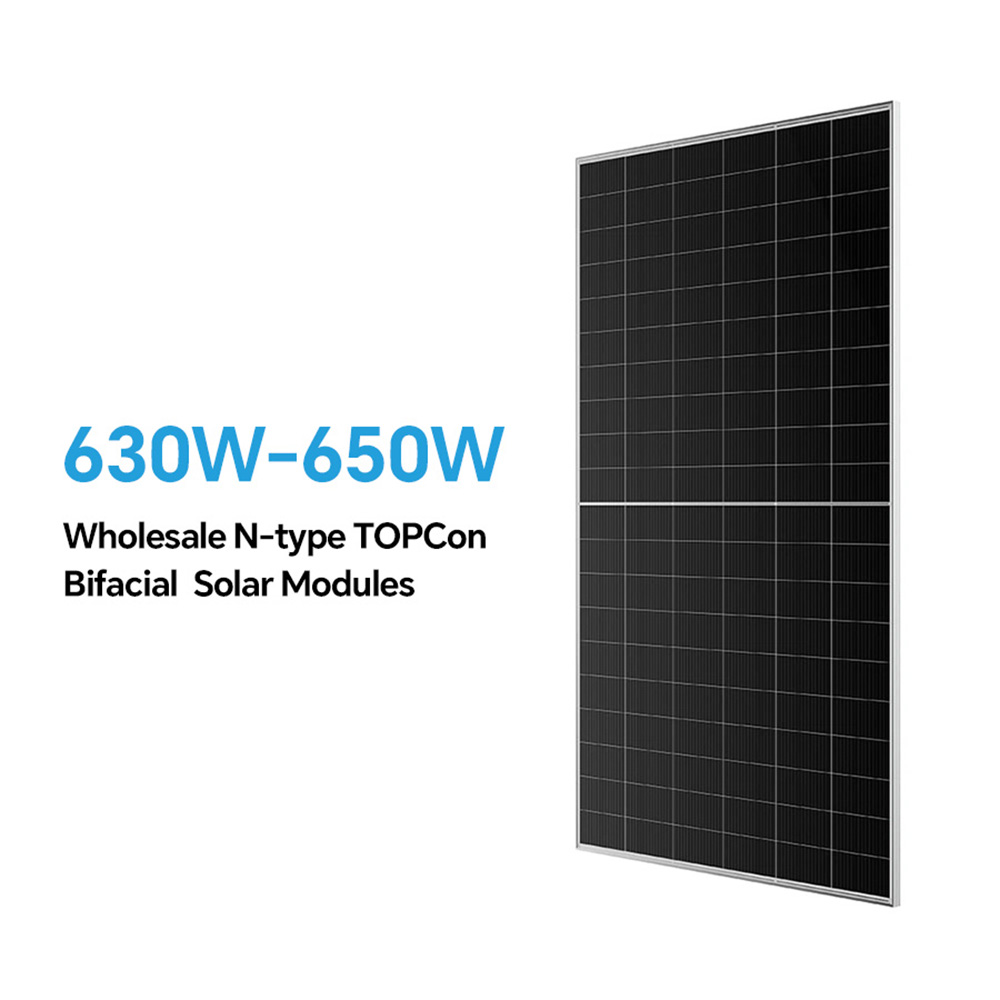
The development of solar panel cells, specifically the evolution of various solar cell sizes from 156mm to 210mm, marks a significant advancement in solar technology. This journey encapsulates not just an increase in the overall solar panel cell size, but a profound impact on efficiency, cost, and the potential for solar power.

The journey began with the 156mm (6-inch) format, which dictated the standard size of solar cell technology for many years. This specific pv cell size was widely adopted due to the optimal balance between manageable solar cell dimensions and baseline efficiency. These cells were easier to produce, handle, and integrate into solar panels, making them a popular choice for both residential and commercial solar applications.
As the demand for more efficient and cost-effective solar solutions grew, the industry sought ways to improve the power output of solar panels without significantly increasing costs. This led to the gradual increase in overall solar cell size. The transition from 156mm cells to larger formats aimed to reduce the overall cost per watt of solar power by increasing the area available for sunlight absorption, thus enhancing the panel's power output.
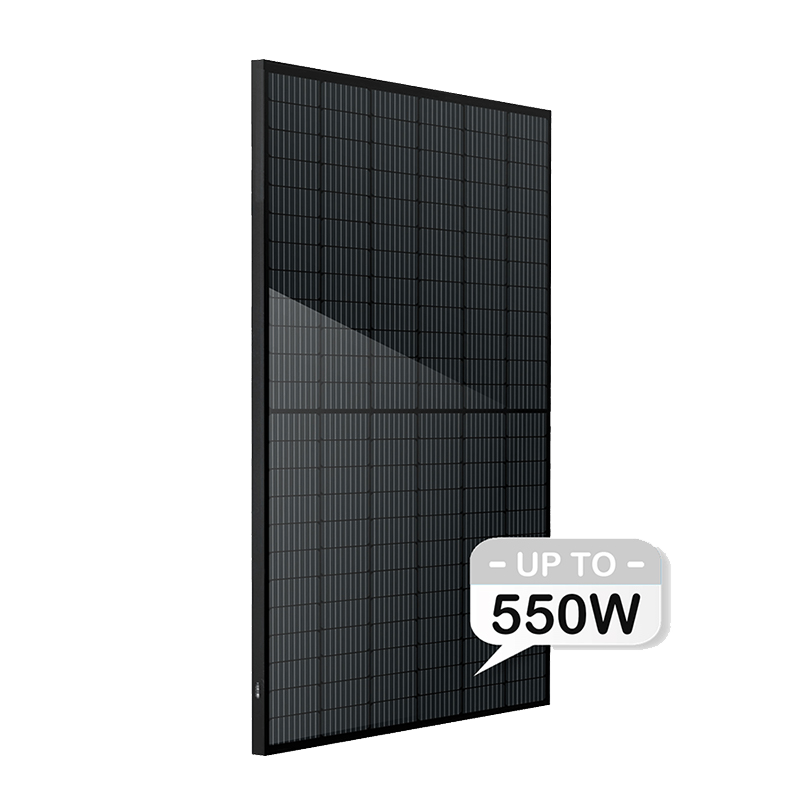
See our traditional solar panels
The introduction of the M6 (166mm) and M10 (182mm) formats marked intermediate steps in this evolution. The standard m10 solar cell size offered immense improvements in efficiency and power output. Additionally, the industry has recently seen the rise of the rectangular m10r solar cell size. Modifying the dimensions to this specific m10r cell size allows for even fewer gaps between cells in a module, reducing the amount of inactive space and increasing the panel's overall efficiency.
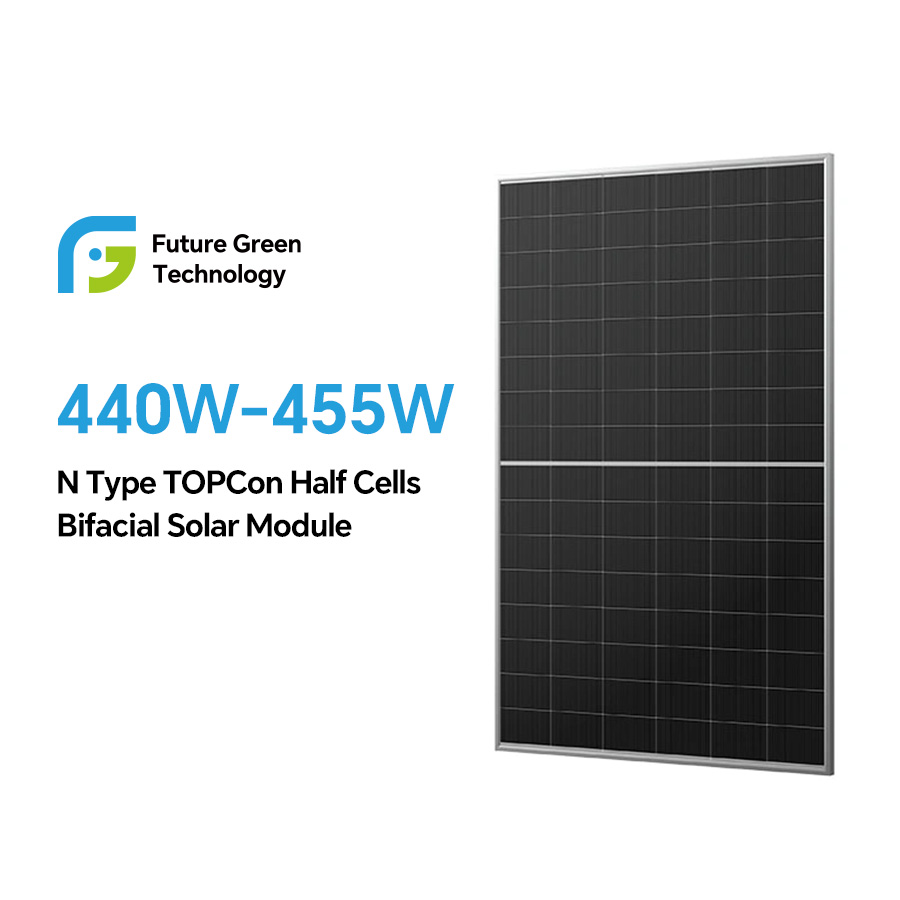
See our 182mm Half cell solar panels
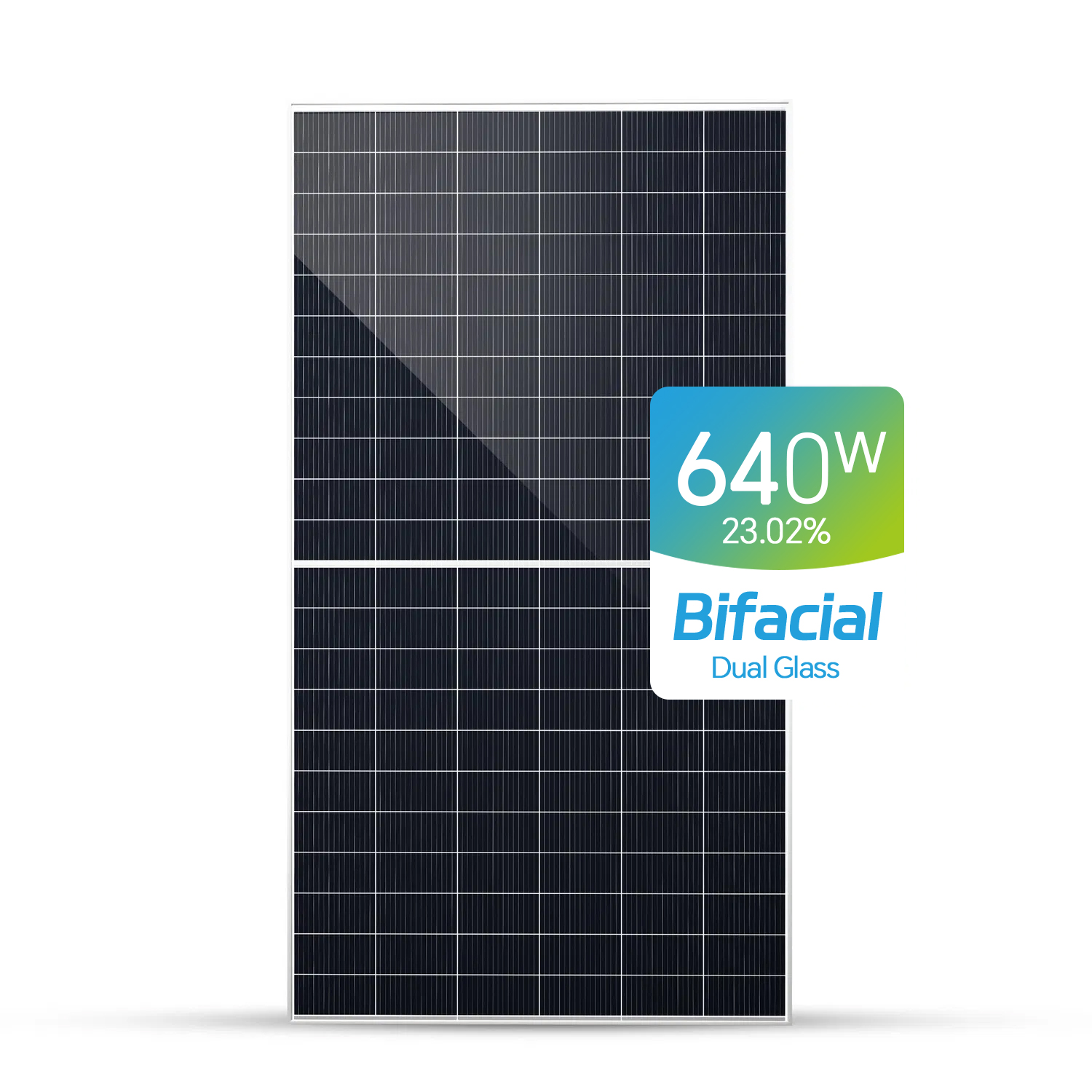
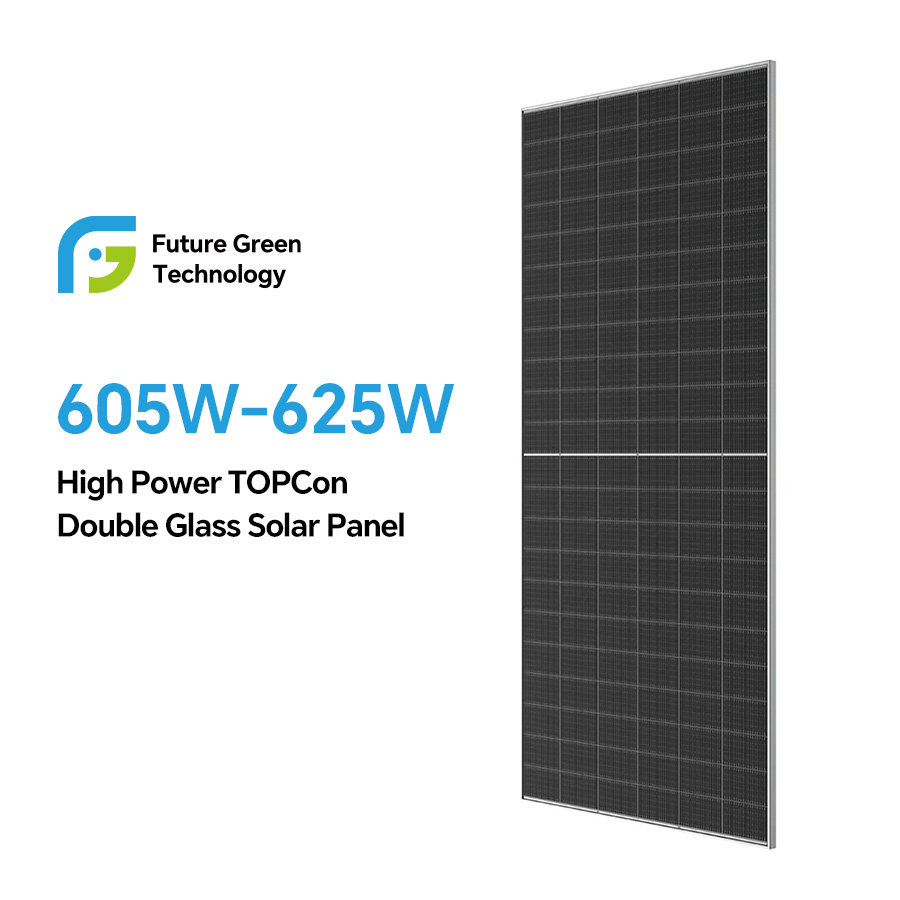
The development of the 210mm (also known as G12 or M12) format represents the latest advancement in this evolutionary path. The large m12 solar cell size significantly boosts the panel's power output, pushing the boundaries of solar efficiency further. This size increase allows for the production of solar panels with higher wattages, reducing installation costs and space requirements for solar installations.
The shift to larger configurations has had a profound impact on the solar industry. It has enabled the production of more powerful and efficient solar panels, contributing to the reduction of solar electricity costs. This evolution reflects the industry's continuous efforts to innovate and improve solar technology, making renewable energy more accessible and affordable for a wider range of applications.
Despite the benefits, the transition to larger cell footprints presents challenges, such as the need for updated manufacturing equipment and potential increases in cell fragility. However, the industry continues to innovate, with research focusing on materials and manufacturing techniques that can mitigate these challenges.
The evolution from 156mm to 210mm formats is a testament to the solar industry's drive for excellence—a vision that Future Green Technology Co., Ltd. shares and actively contributes to. As we continue to explore new frontiers in solar technology, we invite our customers and partners to join us in embracing a sustainable future powered by solar energy. For more information on our efforts and products, please visit futuregreenbattery.com.

Monday -Sunday: 8:00 - 24:00
No.13 Shang Zhen East RD., Taihe Town Baiyun Area, Guangzhou China
info@futuregreenbattery.com