what are you looking for?

Executive Summary: Evaluating solar panel technology requires balancing efficiency, upfront capital cost, space availability, and degradation rates over time. Monocrystalline (Mono), Polycrystalline (Poly), and Thin-Film modules each possess distinct semiconductor structures ($Si$ vs. thin chemical layers). Mono panels currently dominate residential and C&I deployments due to unmatched energy density (20%–24%+ efficiency), while Poly and Thin-Film retain specialized value in budget-constrained or temperature-sensitive utility projects.
True value is not determined by initial hardware price per watt ($/Wp) alone. It depends on the Levelized Cost of Energy (LCOE)—the total cost of building and operating the PV system divided by its total lifetime energy production. High-efficiency modules reduce Balance of System (BOS) costs like mounting racks, wiring, and labor by delivering more power within a smaller physical footprint.
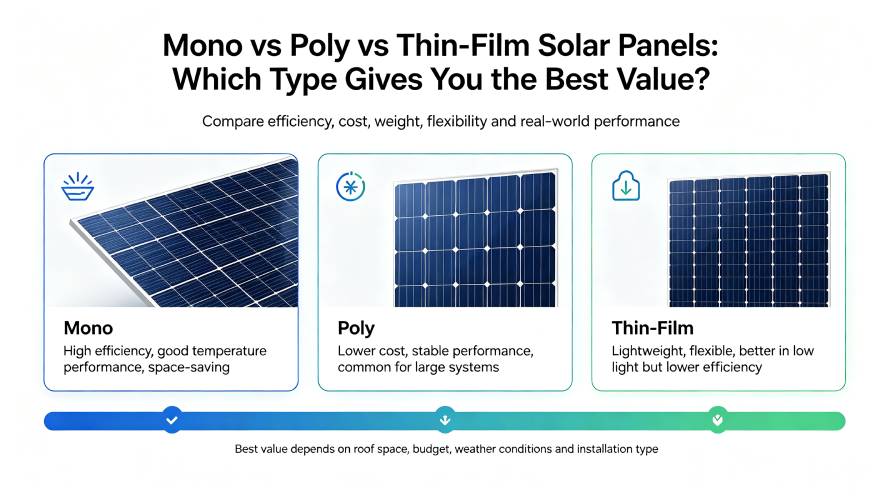
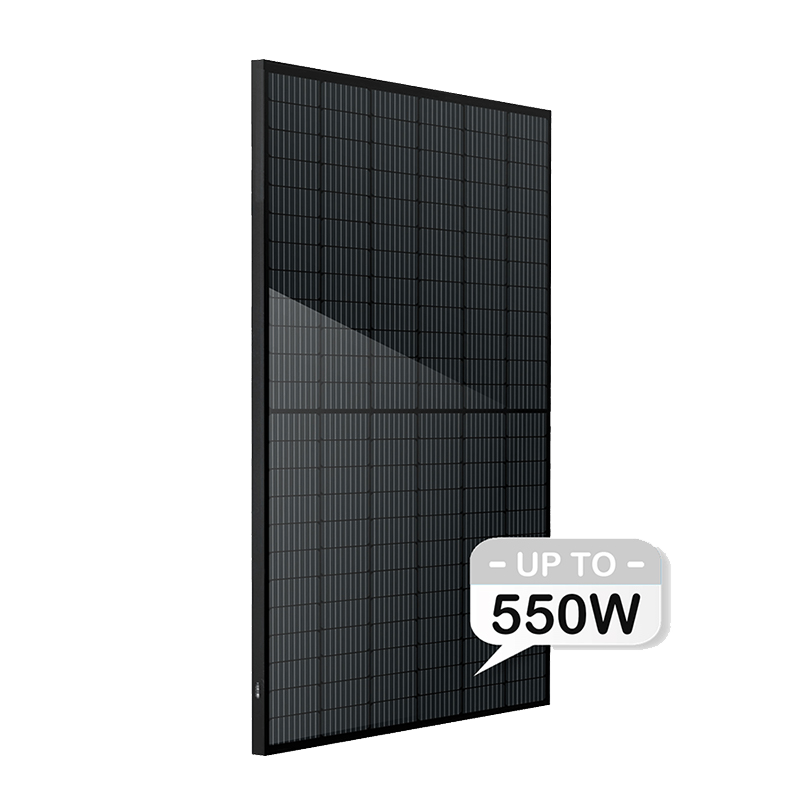
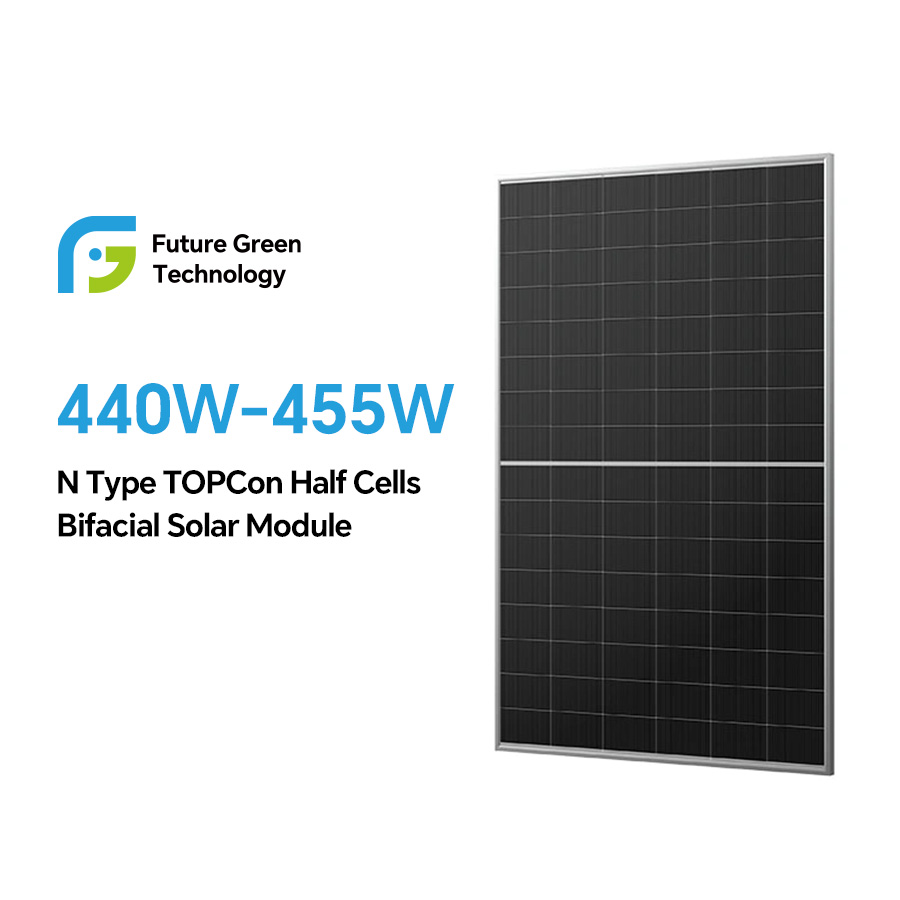
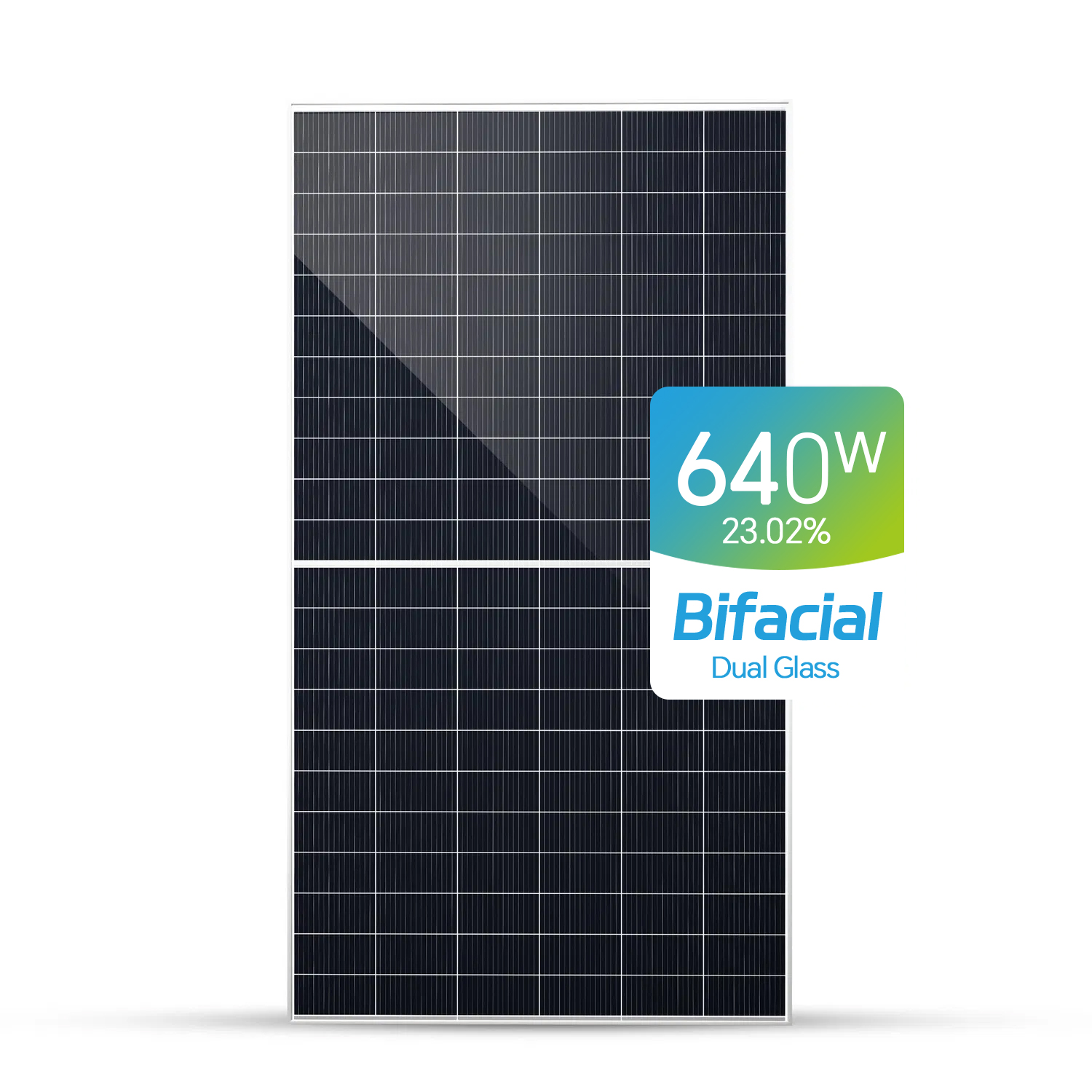
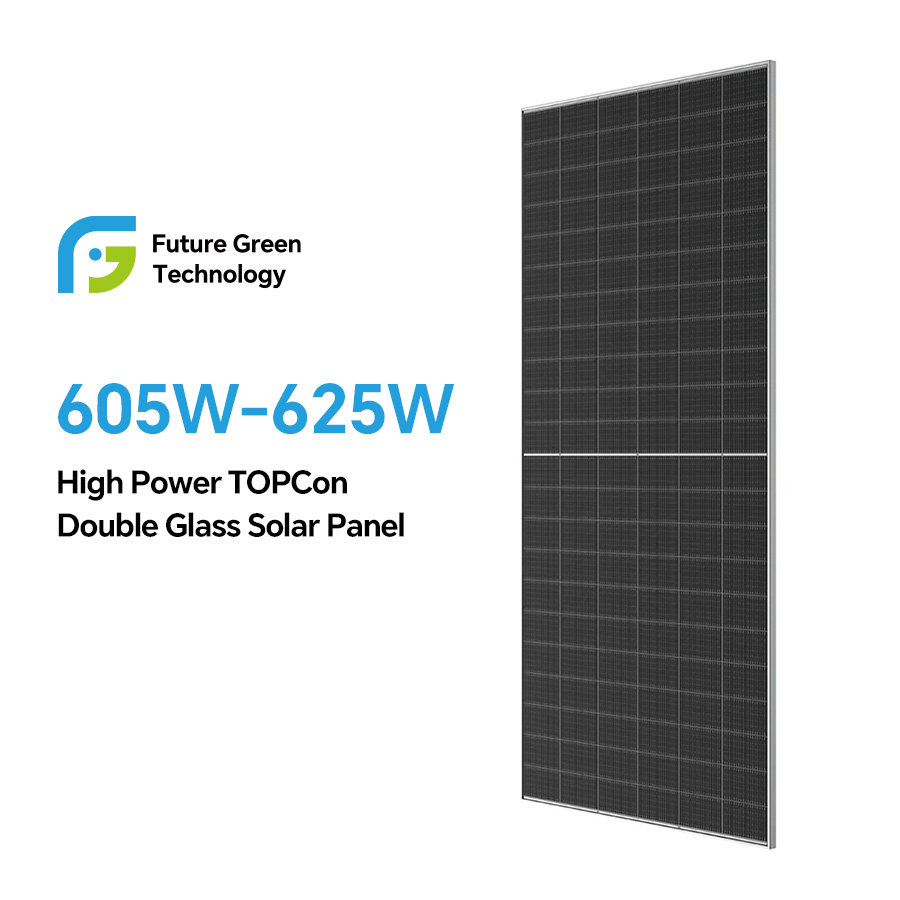
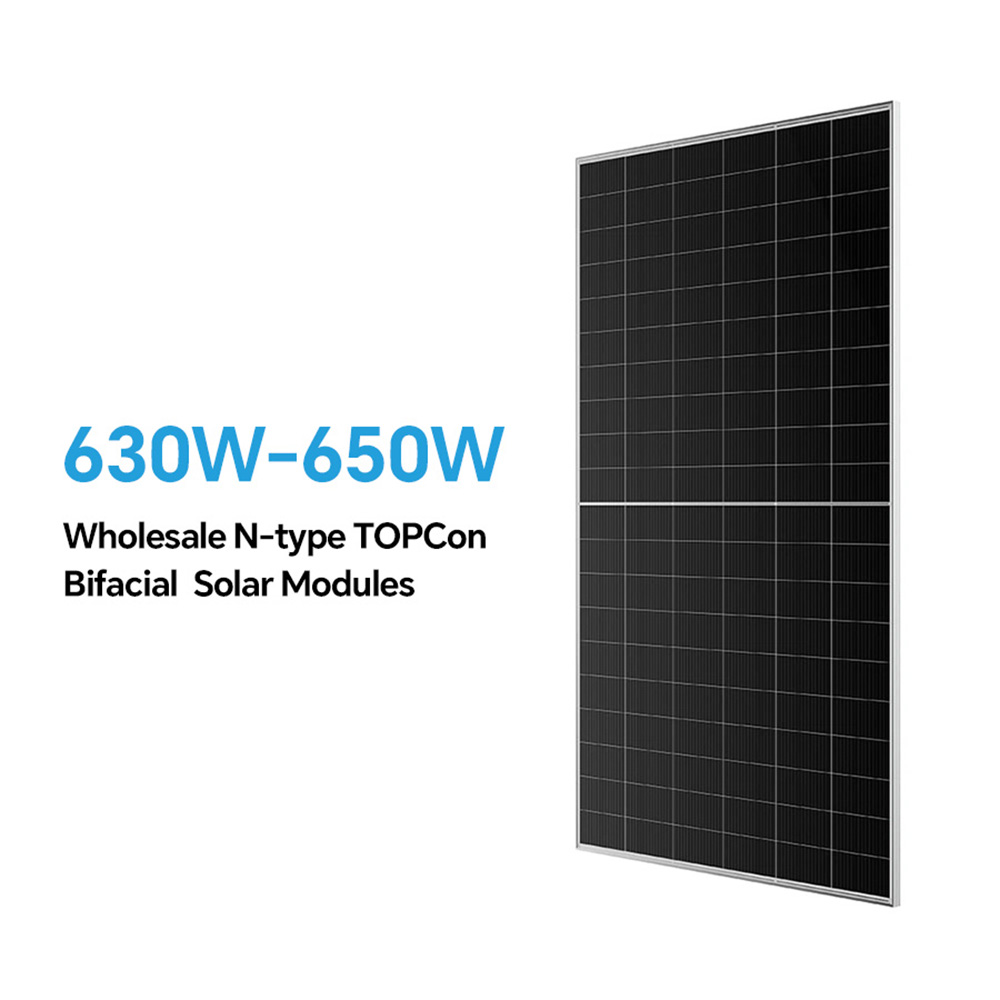
Manufactured from single-crystal silicon ingots (Czochralski process). Features distinct dark/black aesthetics and rounded cell edges. Offers the highest efficiency (20%–24.5%+ with N-type TOPCon/BC) and superior low-light performance, making it the premier choice for residential and space-constrained roofs.
Created by melting multiple silicon fragments together into rectangular blocks. Easily identified by a speckled blue hue. Lower production complexity reduces upfront cost, but lower efficiency (15%–18%) requires larger installation surface areas and increases balance-of-system hardware spending.
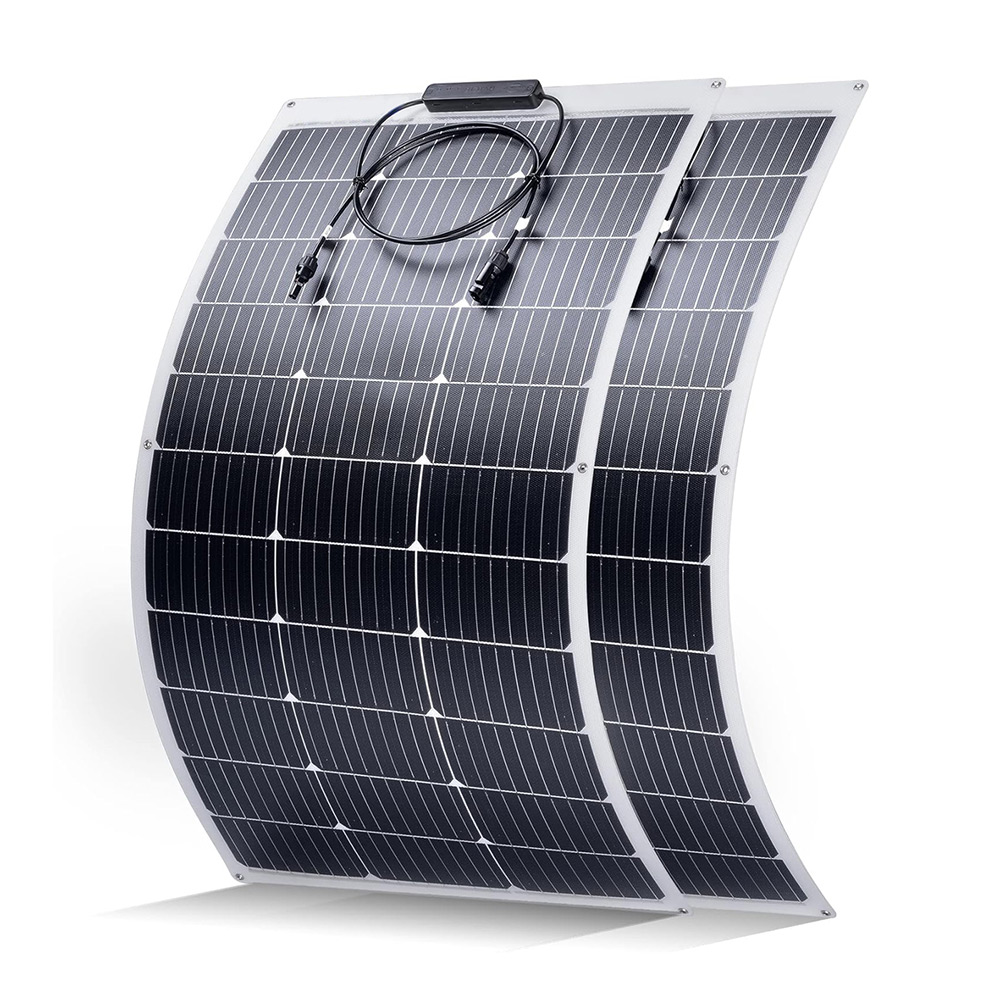
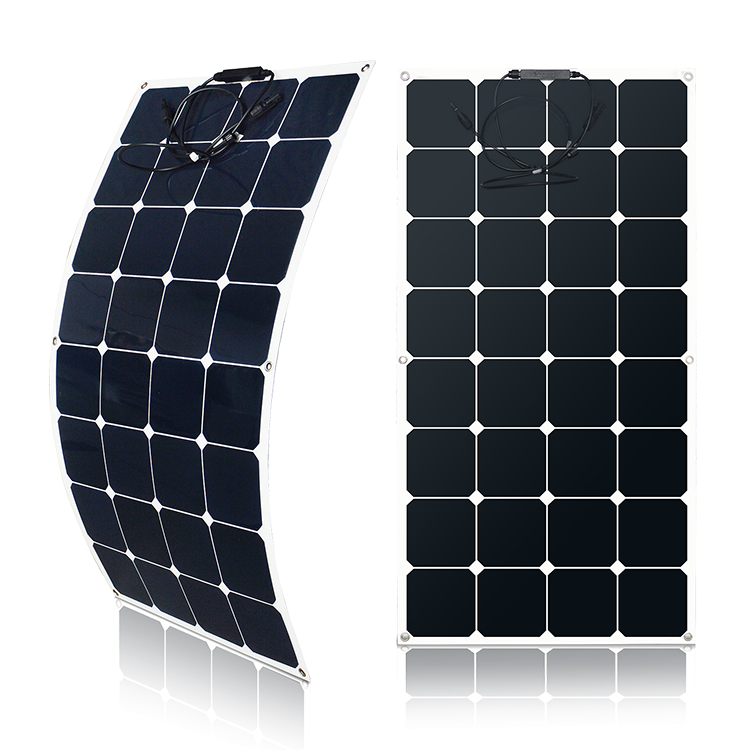
Deposits paper-thin photovoltaic layers onto glass, plastic, or metal substrates. Highly flexible and lightweight with excellent temperature coefficients. While efficiency is lower (12%–19%), it excels in extreme heat climates, building-integrated photovoltaics (BIPV), and low-load commercial roofs.
| Module Category | Efficiency Range | Temp. Coefficient | Best Application / Value Verdict |
|---|---|---|---|
| Monocrystalline (N-Type) | 21.5% – 24.5%+ | -0.29% / °C | Best Overall Value: Maximum long-term yield & lowest total LCOE |
| Monocrystalline (PERC) | 20.0% – 21.3% | -0.35% / °C | Solid middle-ground value for standard residential projects |
| Polycrystalline | 15.0% – 18.0% | -0.40% / °C | Budget ground-mount systems where land space is unconstrained |
| Thin-Film (CdTe / CIGS) | 13.0% – 19.0% | -0.20% / °C | High-heat utility farms, curved surfaces, low-load commercial roofs |

 Monday -Sunday: 8:00 - 24:00
 No.13 Shang Zhen East RD., Taihe Town Baiyun Area, Guangzhou China
 info@futuregreenbattery.com