How Does a Balcony Solar System Generate Electricity for Your Apartment?
How Does a Balcony Solar System Generate Electricity for Your Apartment?
Jun 16, 2026
Working Principle of Balcony Solar System (Balcony PV Power Station)
The balcony solar system (also referred to as plug-and-play micro PV system in the industry) is a lightweight distributed photovoltaic system designed exclusively for balconies, terraces, and windowsills of urban apartments. As a type of micro grid-tied PV system, it features low power output (300~2000W per unit), exemption from grid filing (in most regions), no requirement for home circuit modification, and direct grid connection via a standard household power socket. It has become the mainstream solution for urban residents to achieve self-consumption of solar power.
1. Core System Components (Hardware Foundation of the Operating Principle)
The core components of balcony solar systems differ fundamentally from traditional residential PV systems, which is the basis for their "plug-and-play" capability:
Component
Function and Features
Balcony-specific PV Modules
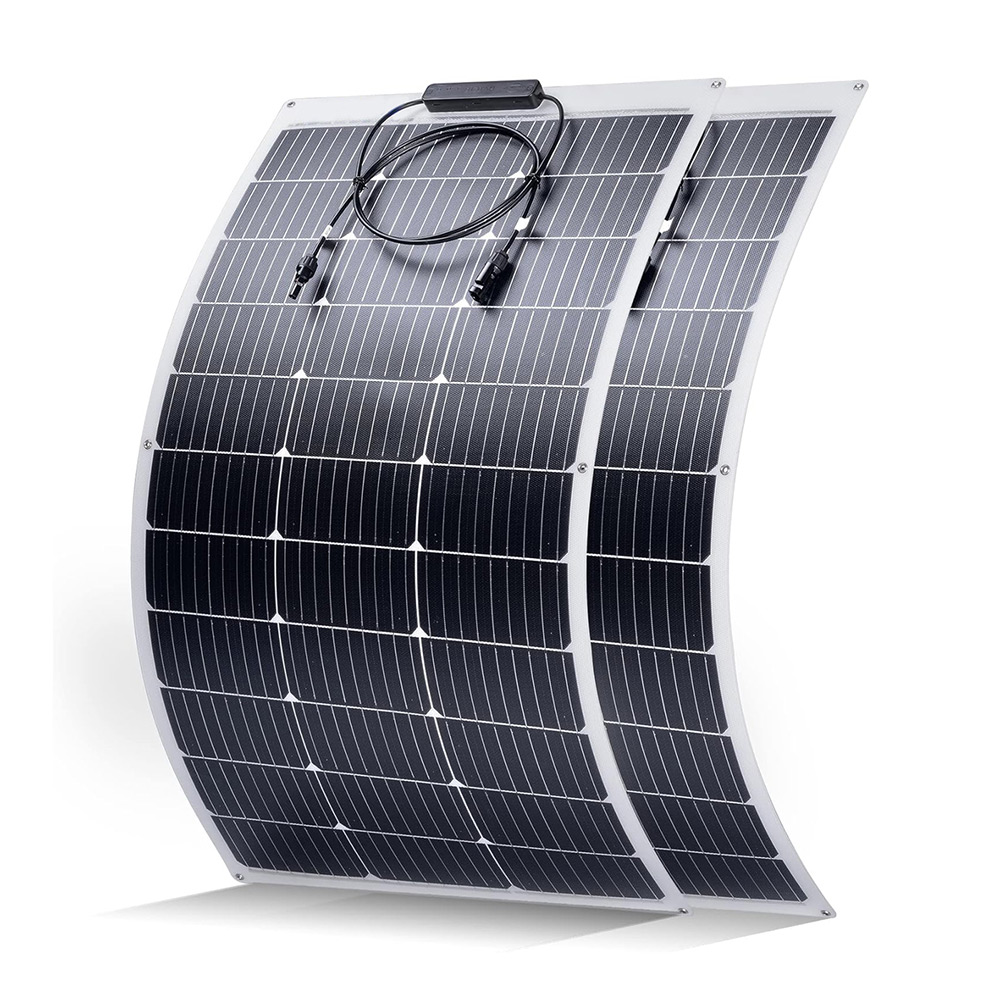
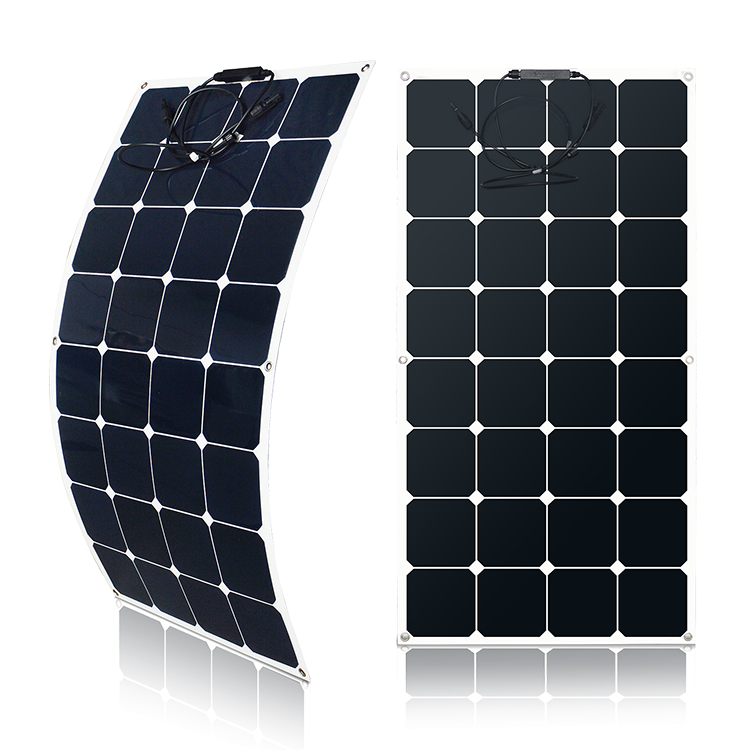
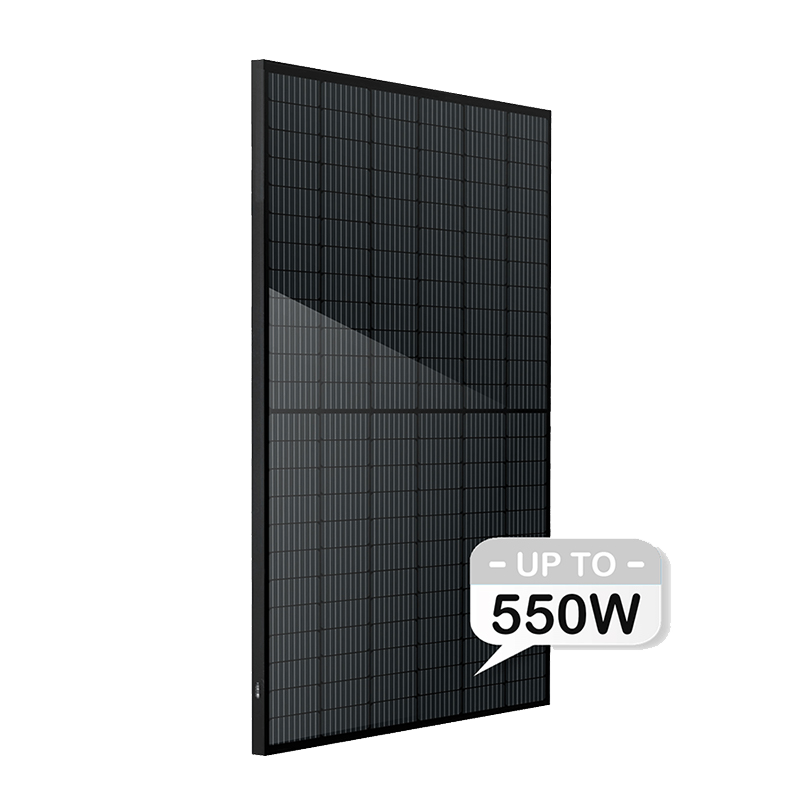
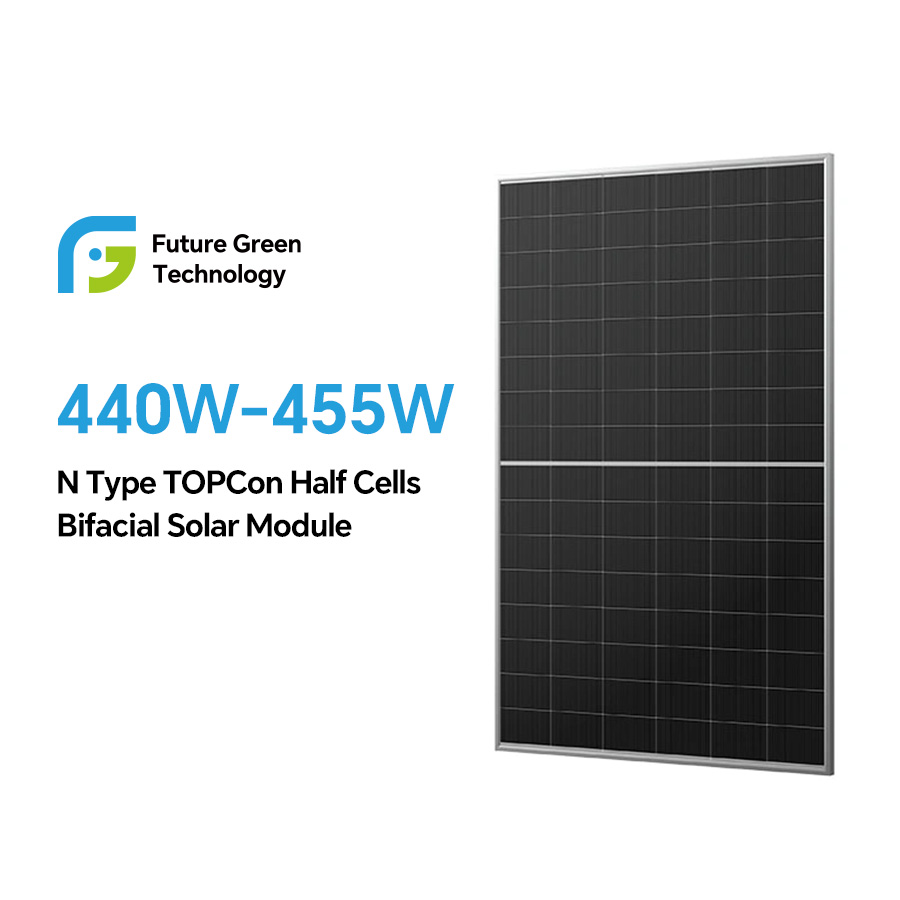
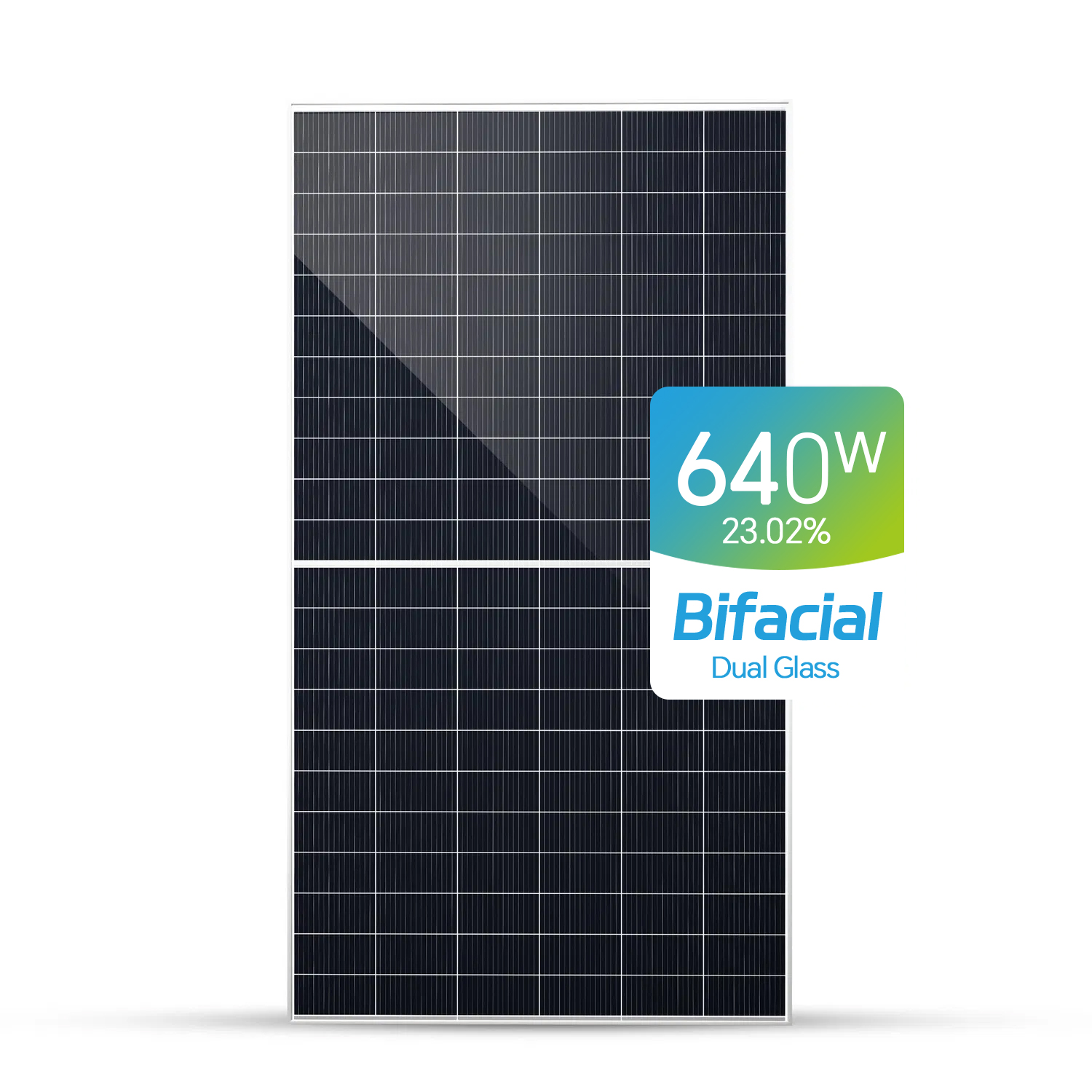
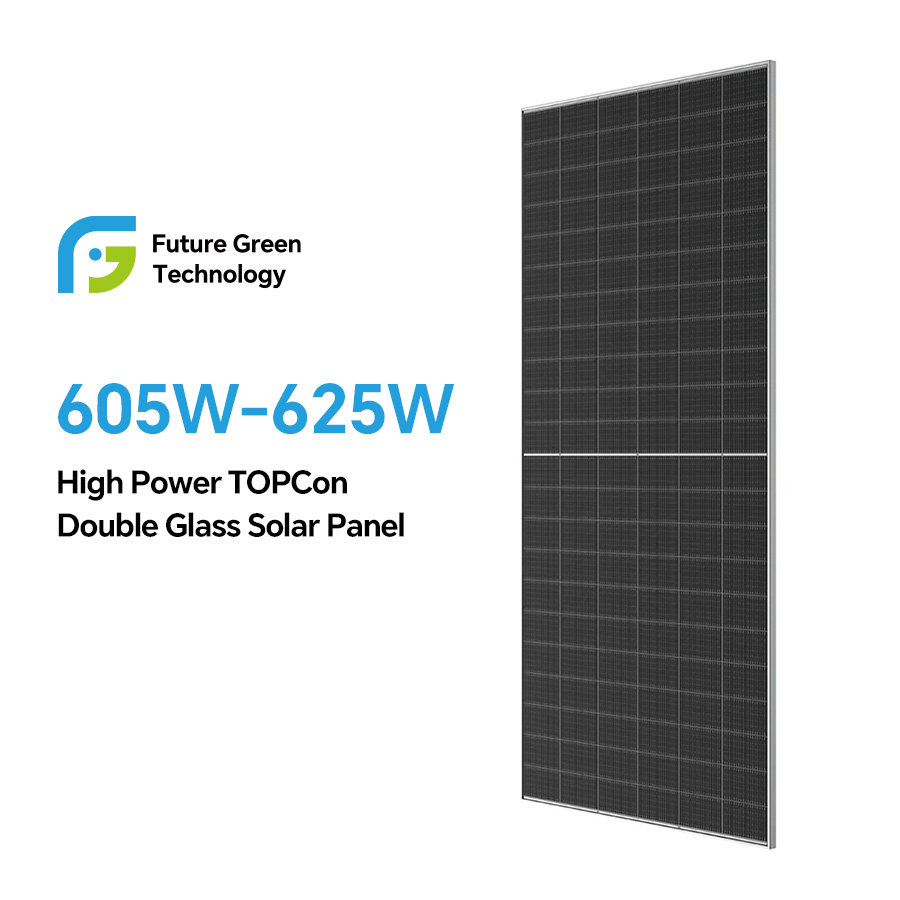
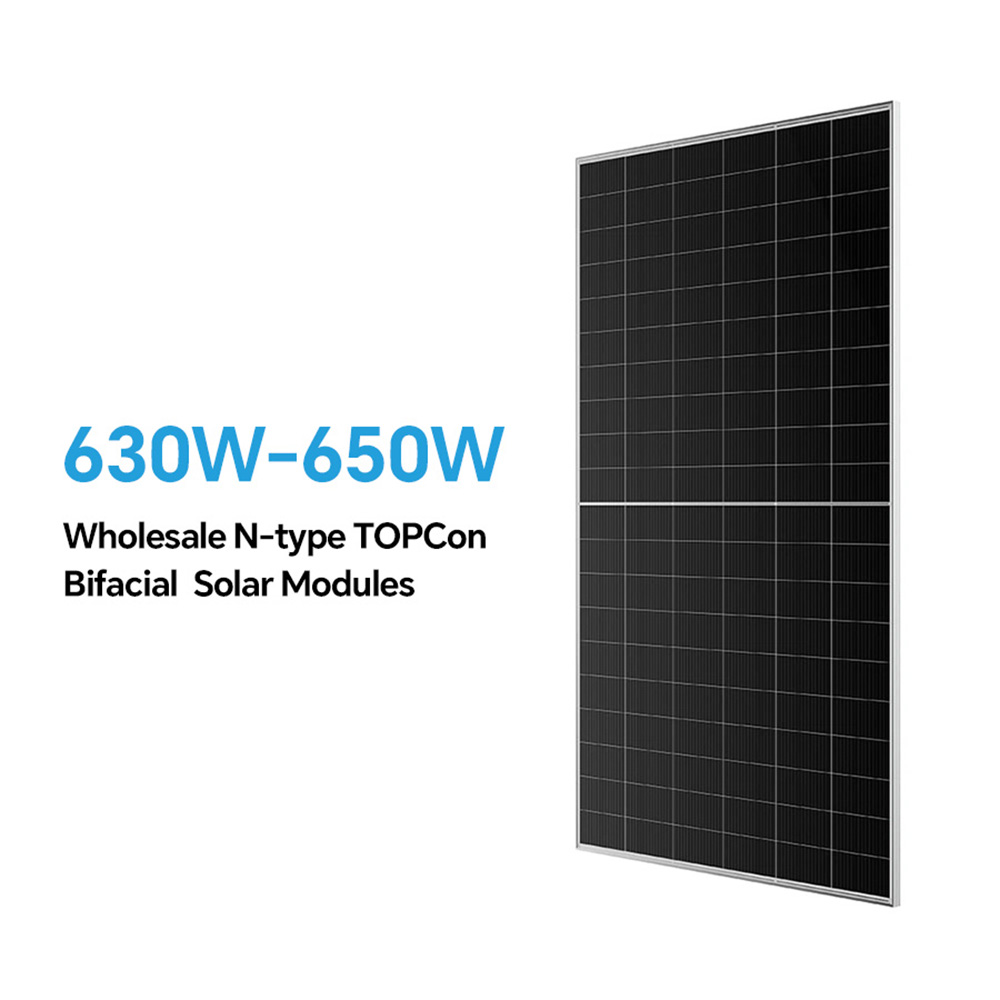
With a single unit power of 100~550W, most are high-efficiency monocrystalline silicon/N-type bifacial modules optimized for low-light environments. Their dimensions fit balcony railings/walls, and they can generate electricity using reflected light from balcony floors and walls.
Microinverter (Core Component)
1-to-1 or 1-to-2 design, installed directly on the back of modules or brackets. As the "brain" of the system, it integrates all functions including MPPT optimization, DC-AC inversion, and safety protection.
Grid Connection Cable and Household Plug
Waterproof and flame-retardant cable with a standard 10A/16A household plug at the end, enabling grid connection directly by plugging into an ordinary indoor socket.
Balcony-specific Mounting Brackets
Railing-clamping, wall-mounted, or floor-standing designs, requiring no or minimal drilling, adaptable to different balcony structures.
Optional: Balcony Energy Storage Battery
1~5kWh wall-mounted lithium iron phosphate (LiFePO₄) battery, enabling storage of solar power and time-of-use tariff arbitrage.
2. Complete Operating Process (Full Chain from Light to Electricity)
Step 1: Photovoltaic Effect — Conversion of Light Energy to Low-Voltage DC Power
This is the fundamental principle of all photovoltaic systems:
When sunlight irradiates the PN junction of the semiconductor cells in the PV module, photons excite electron migration inside the semiconductor, forming a stable potential difference and outputting low-voltage DC power of 30~50V.
Special optimization for balcony modules: Targeting the characteristics of frequent shading and long low-light periods on urban balconies, balcony modules generally adopt bifacial power generation + low-light optimization design. Their power generation efficiency is 10%~15% higher than ordinary PV modules under cloudy conditions, in early morning/late evening, or under partial shading from buildings.
Step 2: Core Processing by Microinverter — DC to Grid-compliant AC Power (Core Difference from Traditional PV)
Traditional residential PV systems adopt "string centralized inversion", while balcony solar systems use module-level microinversion, which is the core reason they can be plugged directly into sockets:
The microinverter performs three layers of processing on the DC power from one or two modules:
Maximum Power Point Tracking (MPPT): Dynamically adjusts the operating voltage and current of the module in real time according to light intensity, module temperature, and shading conditions, ensuring the module always outputs the maximum possible power under current conditions. Even if one module is shaded by a clothes rack or building shadow, it will not affect the power generation of another module at all, perfectly adapting to the complex lighting environment of balconies.
High-precision DC-AC Inversion: Converts low-voltage DC power into standard sine wave AC power that is completely identical in frequency, phase, and voltage to the public grid (220V/50Hz in China, 230V/50Hz in Europe). The output quality fully meets household grid standards and will not cause any interference to household appliances.
Electrical Isolation Protection: Built-in isolation transformer completely electrically isolates the PV-side DC circuit from the household AC circuit, eliminating the risk of DC leakage and meeting the safety requirements for household sockets.
Step 3: Grid Connection and Automatic Power Distribution — Self-consumption First, Intelligent Handling of Surplus Power
After the inverted AC power is connected to the household low-voltage grid through the plug, it operates following the principle of nearby consumption and automatic distribution, with no manual intervention required throughout the process:
Priority Supply to Nearby Loads: The generated power is first supplied to appliances on the circuit where the socket is located. For example, if the balcony generates 600W and the refrigerator + router on the balcony consumes 300W, this 300W will directly offset this part of grid power consumption, eliminating the need to purchase electricity from the grid.
Surplus Power for Whole-house Consumption: If the power generation exceeds the load of the current circuit, the excess power will automatically flow to appliances in other rooms of the house (living room TV, bedroom air conditioner, etc.) through the household distribution box, offsetting the grid power consumption of the entire household.
Two Handling Modes for Excess Power Generation:
Standard Grid-tied Version: If the power generation exceeds the total current power consumption of the whole household, the excess power will flow back into the public grid. The grid meter will automatically measure the surplus power and settle the electricity fee according to local policies (feed-in of surplus power is supported in Europe and most cities in China).
Anti-reverse Current Version (Mainstream for Domestic Communities): The microinverter detects the direction of grid current in real time. Once reverse current is detected, it will automatically reduce the power generation output to ensure 100% of the generated power is consumed within the household, with no power fed back to the public grid. This is the core design that allows balcony solar systems to be exempt from grid filing and avoid affecting the community grid.
Step 4: Optional: Charge and Discharge Logic of Balcony Energy Storage Systems
Balcony systems with energy storage add an energy storage link to further improve electricity cost savings:
Charging Phase: When there is surplus solar power generation during the day, the excess power is first used to charge the energy storage battery. After the battery is fully charged, the power is supplied to household appliances or fed into the grid.
Discharging Phase: When PV power generation stops or is insufficient in the evening/night/on cloudy days, the energy storage battery automatically outputs 220V AC power to household appliances, prioritizing the use of stored solar power. It automatically switches to grid power supply only when the battery is depleted.
Time-of-Use (TOU) Tariff Arbitrage (High-end Models): Supports linkage with grid electricity tariffs, automatically charging from the grid during off-peak tariff periods and discharging to household appliances during peak tariff periods to further reduce electricity expenses.
3. Core Safety Control Principles of Balcony Solar Systems
Microinverters of all compliant balcony solar systems are equipped with three layers of mandatory safety mechanisms, meeting global grid-tied PV standards:
Anti-Islanding Protection: Detects the voltage and frequency of the public grid in real time. Once the grid loses power, it stops power output within 0.1 seconds to avoid feeding power to the outage grid, ensuring the safety of grid maintenance personnel.
Overvoltage/Overcurrent/Overheat Protection: Immediately cuts off output when grid voltage is abnormal, load is short-circuited, or module temperature is too high, protecting the safety of household appliances and PV modules.
Weak Grid Adaptation: Automatically adjusts output parameters for old communities with large grid voltage fluctuations, enabling stable grid connection within a voltage fluctuation range of ±15% without frequent shutdowns.
4. Principle Differences from Traditional Residential PV Systems
Grid connection via user-side socket, belonging to "load-side access" with no modification to the main household circuit
Grid connection at the incoming end of the household distribution box, belonging to "power-side access", requiring professional electricians to modify the main circuit
Shading Impact
Module-level MPPT, shading of a single module does not affect overall power generation
String-level MPPT, shading of one module reduces the power generation efficiency of the entire string
Construction Requirements
Exempt from filing and circuit modification, plug-and-play
Requires grid filing, professional circuit modification by electricians, and specialized construction


 Monday -Sunday: 8:00 - 24:00
 No.13 Shang Zhen East RD., Taihe Town Baiyun Area, Guangzhou China
 info@futuregreenbattery.com